Share the page

Private-sector development in Liberia
Project
Published on
-
Project start date
-
Status
Ongoing
-
Project end date
-
-
Financing amount (Euro)
-
25m
-
Country and region
-
Liberia, Africa
-
Funders



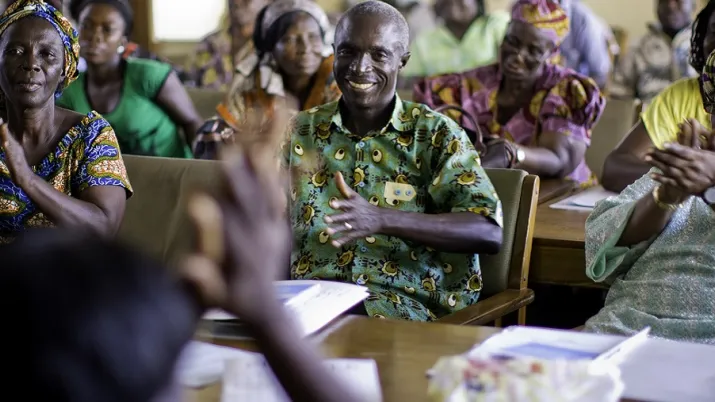
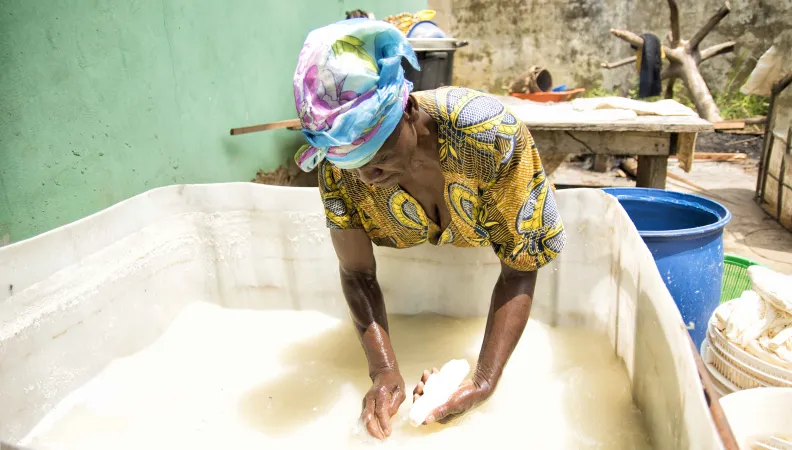
The aim of this project is to support small- and medium-sized enterprises, especially those run by women, young people, and people with disabilities, as well as to promote more inclusive, sustainable and job-creating economic growth. Special attention is paid to the agricultural (cassava, aquaculture) and forestry sectors.
Development challenges facing Liberia’s private sector
Liberia has significant natural resources and entrepreneurial potential, but its private sector remains limited. Most companies are very small, often informal, and struggle to access financing, technical skills, and markets.
At the same time, many groups – especially young people, women, and people with disabilities – face major barriers to accessing decent and sustainable employment.
The agricultural and forestry value chains, while essential for the country’s economy, still lack structure and do not create enough quality jobs.
Improving the business environment
This private-sector development project supports dialogue between public authorities and economic actors to improve policies, regulations, and business services. This leads to several positive impacts:
- Strengthening of public-private consultation frameworks
- Improvement of Liberia’s attractiveness for responsible investment
- Facilitation of commercial links between Liberian and European companies.
Support for businesses and value chains
Companies in the cassava, fishing, and timber value chains benefit from support for the following:
- Improvement of their technical and management skills
- Development of local transformation and added value
- Easier access to markets and financing
- Adoption of sustainable and environmentally friendly practices.
Access to employment and vocational training
The project helps strengthen access to vocational training, employment, and entrepreneurship, in particular for the following:
- Young people looking for economic opportunities
- Women wishing to develop a business activity
- Persons with disabilities, by improving the accessibility of training, employment services, and workplaces.
Additionally, the project supports national institutions responsible for employment and decent work and promotes compliance with international labour standards.
A cross-cutting gender approach
Gender equality is mainstreamed into the project in a cross-cutting way, in order to reduce inequalities between women and men in access to economic opportunities, decent employment, and entrepreneurship.
Special attention is paid to women-led businesses, to strengthen their technical and managerial skills and improve their access to financing and markets.
The project also seeks to remove specific barriers faced by women in targeted value chains, promote their participation in public-private dialogue forums, and foster a more inclusive and equitable economic environment.
Sustainable Development Goals
SDG5 - Gender equality
Achieve gender equality and empower all women and girls
SDG8 - Decent work and economic growth
Promote sustained, inclusive and sustainable economic growth, full and productive employment and decent work for all
SDG12 - Responsible consumption and production
Ensure sustainable consumption and production patterns
SDG13 - Climate action
Take urgent action to combat climate change and its impacts
SDG14 - Life below water
Conserve and sustainably use the oceans, seas and marine resources for sustainable development
SDG15 - Life on land
Sustainably manage forests, combat desertification, halt and reverse land degradation, halt biodiversity loss
Our projects in Liberia
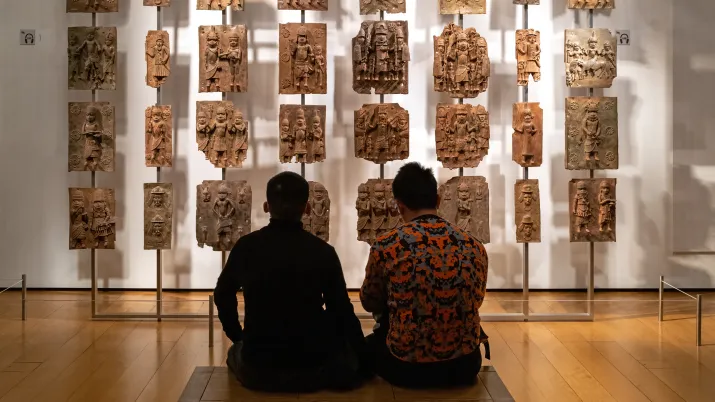
African-European Museum Partnerships
Ongoing
2025 - 2030
Funders : European Union, Agence Française de Développement, German State, Belgian State, Government of The Netherlands
EnMAR+ – Enhanced Maritime Action in the Gulf of Guinea, Red Sea and Western Indian Ocean
Ongoing
2026 - 2028
Funders : European Union
L'Initiative – AIDS, Tuberculosis, Malaria
Ongoing
2011 - 2028
Funders : Ministry for Europe and Foreign Affairs of France