Share the page

INSC Africa – Strengthening nuclear safety in Africa
Project
Published on
-
Project start date
-
Status
Ongoing
-
Project end date
-
-
Financing amount (Euro)
-
4.9m
-
Country and region
-
South Africa, Egypt, Ghana, Kenya, Morocco, Nigeria, Africa
-
Funders
-
Partners
-
French Authority for Nuclear Safety and Radiation Protection (ASNR), Finland Radiation and Nuclear Safety Authority (STUK), Belgian nuclear safety authority (Bel V), German Organization for Plant and Reactor Safety (GRS), Spanish Nuclear Safety Council (CSN), Czech State Office for Nuclear Safety (SUJB), Bureau Veritas Exploitation
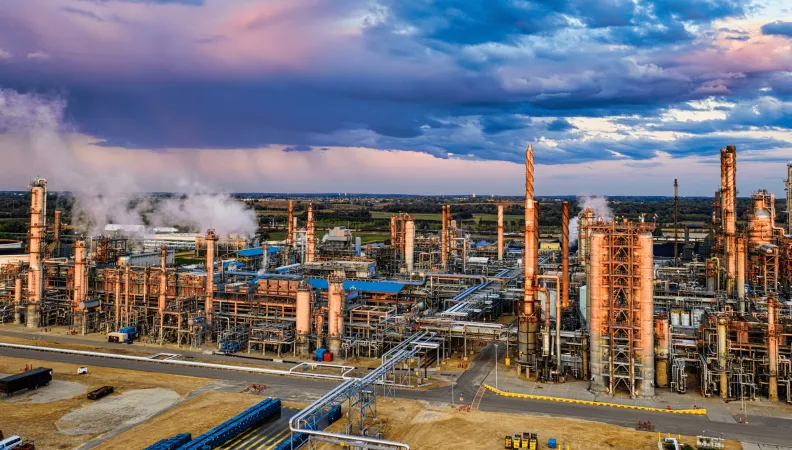
The INSC Africa project aims to improve nuclear safety in Africa by increasing the capabilities, independence and long-term viability of the regulatory authorities.
The challenges of civil nuclear development in Africa
Africa faces major challenges for its energy supply. With one of the world’s fastest-growing populations, the UN projects that the continent’s population will reach 2.5 billion by 2050. This population growth, coupled with the development of the industrial sector, increases pressure on existing energy infrastructure. In this context, nuclear energy provides a reliable and sustainable solution to address these growing energy needs. Indeed, it offers an alternative to fossil fuels and plays a key role in the energy transition and the sustainable development of the continent.
Many African countries are becoming increasingly interested in civil nuclear energy to diversify their sources of energy. While some already have a nuclear activity, such as South Africa, a pioneer on the continent with the operation of the Koeberg Nuclear Power Station since the 1980s, others, such as Egypt, are engaged in construction projects for nuclear power plants. At the same time, several countries, including Ghana, Kenya and Morocco, are exploring the feasibility of this type of programme.
However, these initiatives come with major challenges, in particular in terms of the safety of the installations, radioactive waste management, and training qualified personnel. Nuclear incidents around the world, such as at Fukushima in 2011, have highlighted the potential consequences of flaws in nuclear security.
To address these challenges, it is necessary to establish stringent safety standards to ensure the protection of the public, workers, and the environment. This requires strengthening local capabilities in terms of the regulation, supervision and management of nuclear waste to ensure that there is a safe and sustainable development of civil nuclear energy in Africa.
Strengthening regulatory capacities in the field of nuclear safety
The INSC Africa project aims to strengthen the capabilities, independence, and long-term viability of nuclear regulatory authorities in the target African countries by promoting an approach focused on nuclear safety.
It came about through a joint request from six member countries of the Forum of Nuclear Regulatory Bodies in Africa (FNRBA) for European Commission support to develop an effective nuclear safety culture and meet the highest standards in nuclear safety and radioprotection in Africa. Their objective is to comply with the standards of the International Atomic Energy Agency and achieve the highest level of nuclear safety.
In this context, INSC Africa is a pilot project for the European Union, implemented through bilateral action with Egypt, Ghana, Kenya, Morocco, Nigeria and South Africa based on an annual action plan.
The INSC Africa project is financed by the European Union under the European Instrument for International Nuclear Safety Cooperation (INSC). It also benefits from a co-financing from the French Government.
Our action under the INSC project
As part of the INSC Africa project, Expertise France brings technical assistance on the essential regulatory fields, especially:
- Radioprotection, spent fuel and radioactive waste management
- Safety review and assessment
- Harmonisation of regulations and alignment with international best practices
- Emergency preparedness and response, including radiation monitoring systems
- Support for the creation of a national centre for nuclear or radiological emergencies in Morocco
- Capacity building
Women, who are often under-represented in this sector, are encouraged to participate actively in these activities.
Download the project factsheet
Sustainable Development Goals
SDG16 - Peace, justice and strong institutions
Promote just, peaceful and inclusive societies